
Tag: Practitioners

The Solution to Provider Burnout: Pay Them Hourly, By Patrick Willett, PA-C, DMSc, VP of Clinical Operations

Advanced Practice Providers are burning out at alarming rates, with nearly half experiencing work exhaustion. The culprit isn’t just the demanding nature of patient care. It’s a compensation structure that creates unlimited work expectations with no upside. The solution: pay them hourly instead of an annual salary. 

It sounds counterintuitive. But after 12 years in salaried PA positions followed by my current role managing clinical operations across multiple markets at AP Health, I’ve seen both sides. And I can tell you: the hourly model is the answer to preventing burnout. 

Salaried Positions are a Trap for APPs 

When most APPs consider a position, they focus on the annual salary. It feels secure. It feels professional. But here’s what they don’t calculate: their actual hourly rate based on how much they’re really working. 

In my years in private practice, a typical week looked like this: rounding in the morning, going directly into surgery, maybe clinic time, taking consults in the afternoon or late evening after surgery, fielding calls from the floor because patients are in pain, then getting calls in the middle of the night for post-op patients. All for that same annual salary. 

When you take that salary and divide it by your actual hours—including the EMR work at night, the on-call responsibilities, the “extra” duties that just keep piling on—I can tell you it looks pretty poor. After a year of hard work, a $5,000 raise or bonus might sound good. But if you annualize it, it’s about two dollars an hour. Not much of a bump when your responsibilities keep increasing. 

AP Health’s Solution: Hourly Pay 

When I first joined AP Health, I was skeptical about the hourly model. But seeing it firsthand, doing payroll, and watching the annual amounts people earn, I realized this structure creates guardrails that protect both the provider and the company. 

Here’s what I mean by checks and balances: 

For providers: You’re not going to get hosed with unlimited expectations. After 40 hours, it’s overtime—time and a half. That creates a natural limiter on overwork. When I recruit, I’m very transparent: “Listen, we have a business interest not to give you 20 hours of overtime.” 

For the company: We align staffing costs directly with surgical volume. We’re happy to provide extra compensation when people want it or we need it, but the overtime structure keeps everyone accountable. 

Hourly pay creates a true meritocracy. If you want to utilize the structure for increased compensation—especially if you came from private practice where you took call—the opportunity exists.  

On the flip side, I’ve had practitioners say, “I’ve had some family things come up. I really need to dial it back. I need hard stops on certain days.” That’s palatable for both the business and the provider because we’re getting exactly what we pay for, and they’re getting paid for exactly how much they work. 

The hourly model is transparent and provides accountability on both sides. Providers know that if they’re working extra hours, it’s documented and compensated. And they know I’m watching to make sure nobody gets overworked, because it’s not in the company’s interest to hand out excessive overtime. 

AP Health Model Enables Flexibility 

Hospitals and health systems outsource surgical staffing to AP Health because we flex staff to match fluctuating surgical volume. They simply don’t have that flexibility with in-house staff.  

Hospitals are driven to “right size” staff for the amount of work to be done. When surgical volume declines, they have people on staff that they’re paying for non-productive work. When surgical volume increases or when two people call out on the same day (which happens more often than you’d think), they have a quality control issue. Surgeons are operating without the resources they expect, cases get delayed or canceled, and the system strains. 

AP Health is able to provide staffing flexibility because we have a deep bench of credentialed practitioners across multiple facilities. For the hospital, our surgical staffing model enables them to align costs with revenue-producing procedures. For providers, it allows for more flexibility in work schedules to accommodate personal or family needs and income goals.  

Compare that to private practice, where I was the only show in town for my surgeon. If I woke up with food poisoning, he either had to cancel his cases or limp through the day. This creates what I call “sick guilt”—you feel terrible anytime you’re out because you’re letting the whole system down. 

I came to an impasse in my own career when I had kids and realized I was running my life parallel to my surgeon’s schedule. My kids’ schedule no longer aligned with that, and I had to make a choice. At AP Health, practitioners have control over their professional lives while still advancing their careers. 

Hourly Pay Provides Professional Independence 

The traditional salary model fuels burnout and turnover. While our providers work hard, they know they’re going to get reciprocation, which improves job satisfaction and retention. Our clinical leaders, having been in these surgical positions themselves, understand these issues first hand. 

The hourly pay structure, combined with the deep bench we maintain by serving multiple facilities, provides the solution. It creates professional guardrails that prevent overwork, provides flexibility that enables work-life balance, and aligns the interests of the provider and the company. 

Most importantly, it empowers practitioners instead of trapping them. As I tell every recruit: we give you professional independence. You can make as much or as little as you desire, structure your time around what matters to you, and know you’ll be fairly compensated for every hour you work. 

That’s not just good for retention. It’s good for the practitioners, good for the hospitals we serve, and ultimately good for patient care.  

Patrick Willett, PA-C, DMSc, is Vice President of Clinical Services at AP Health, managing surgical staffing operations across Florida, Nashville, and Dallas markets. He has over 15 years of experience as a practicing PA in orthopedic and general surgery. 

How to Build & Retain a Thriving Clinical Workforce

By Brook Horne, VP of People Operations

Hospitals and health systems continue to face significant clinical staff shortages, intensifying an already challenging business climate. As a result, successful recruitment, development, and retention of clinical staff requires more than filling roles—it demands an intentional culture that keeps people connected, supported, and engaged.

 AP Health is no stranger to the challenges of clinical recruitment. We recruit highly skilled Advanced Practice Providers (APPs) to support the surgical needs of our health system partners. APPs are in high demand and have many career paths to choose from—urgent care, clinics, private practice, or emergency medicine to name a few. Identifying those who are both highly skilled and committed to focusing on surgery requires a targeted search within an already limited talent pool. To attract and retain top surgical talent, AP Health leads with a people-first strategy—one that we hope candidates feel from their very first interaction with us and continue to feel throughout their journey. This isn’t just an HR initiative; it’s a company-wide commitment, woven into our culture and intentionally reinforced at every step.

What Culture-Driven Recruitment Looks Like

Finding the “right fit” is at the heart of our hiring process. As an ever-growing business, we are committed to putting quality first when sourcing and interviewing candidates.  When we hire APPs, our clinical leaders work as true partners in the process – from educating our hiring team on what is the best “fit” for their team and playing an active role in the interview process. This isn’t simply about assessing skills; it’s a deliberate way of showing candidates from day one that they are our priority.

Candidates get to see firsthand that our leaders, (even our CEO) are practicing clinicians. That assurance matters: they know they’ll be supported by a management team that truly understands the work because we do it ourselves. This intentional, cohesive approach shows candidates that culture at AP Health isn’t abstract—it’s lived out in every interaction, starting from the very first one.

Streamlined Onboarding Process

Our APPs need to be credentialed at our customers’ hospitals and facilities-a process that can take anywhere from 60 to 120 days. Keeping candidates engaged during this waiting period is critical to retention before their employment even begins.

To support them, our team manages the entire credentialing process and provides regular status updates, sparing providers of the administrative burden that typically weighs down new hires. We’ve built a comprehensive touchpoint system that brings together our recruiting, credentialing, HR, and operations teams to ensure consistent communication and alignment.

In addition, our weekly onboarding meetings guarantee that every hired candidate receives personalized attention throughout their journey. These consistent touchpoints reflect our belief that our role doesn’t end when you’re hired – it’s just begun. People Operations is the keeper of culture, sustaining cohesion and connection from day one.

Collaboration Fuels Retention

Our people-first approach is built around creating a genuine community where clinical and corporate teams operate together rather than separate entities. Our lean corporate structure provides a true partnership, serving as a resource for our clinical staff where we constantly learn from each other. In addition, many mid-level and senior managers are practicing clinicians themselves, closing the gap that often exists between leadership and day-to-day clinical realities.

We foster collaboration and connection through regular team outings, monthly employee communications, social media engagement, and company-sponsored events. While not everyone participates in every opportunity, offering a variety of ways to connect reinforces a culture of inclusion and support.

When employee concerns arise, clinical team leaders are directly involved in the conversation. This ensures staff feel heard and supported by leaders who understand their daily challenges. It demonstrates that clinical and corporate leadership serve together— working to make people feel valued as individuals, not just employees.

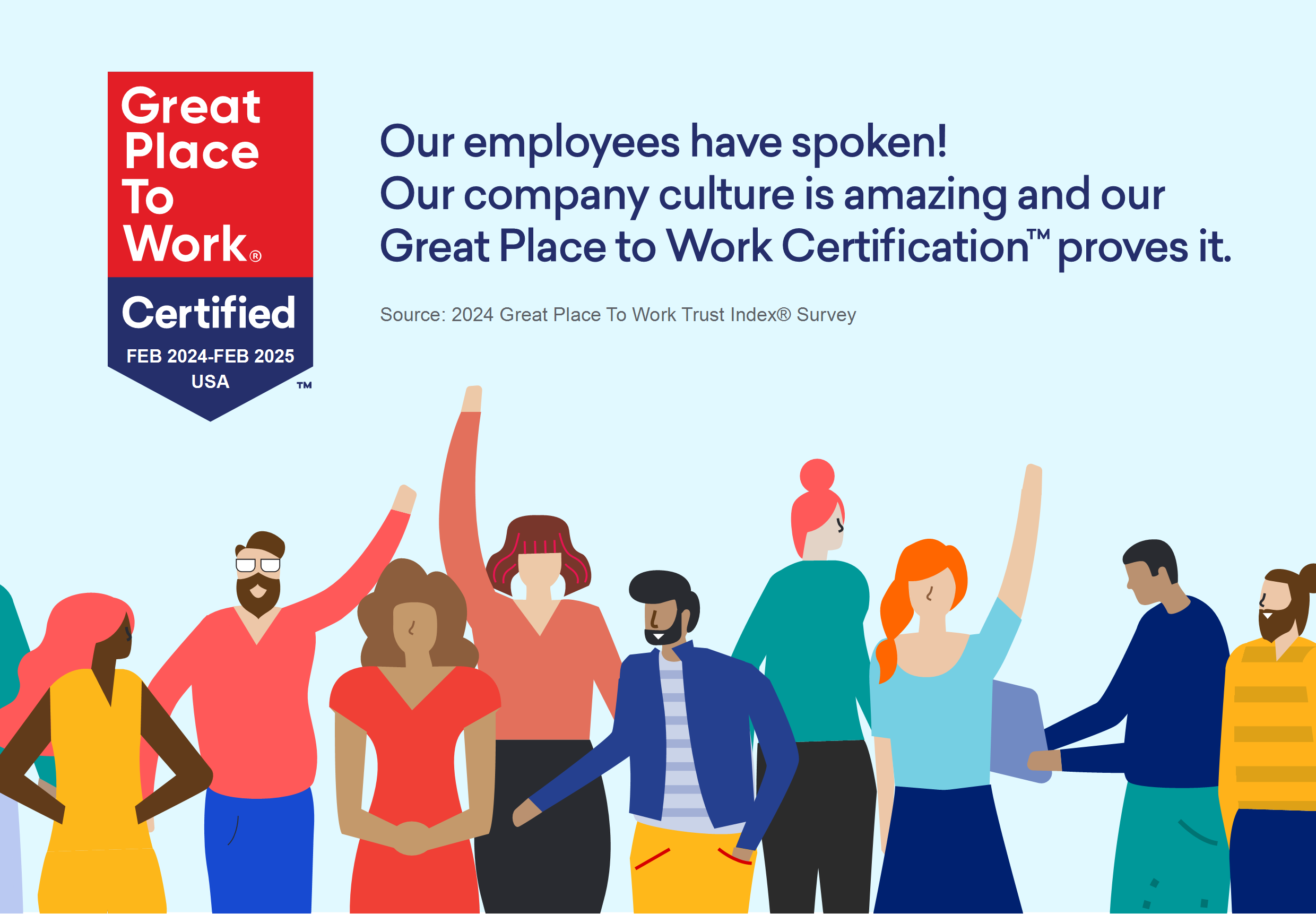
The results speak for themselves. AP Health has been certified as a Great Place to Work for five consecutive years. In our most recent survey, 85% of employees said AP Health is a great place to work. In 2024 alone, we hired 40 new team members and saw only 10 departures—most due to retirement or relocation rather than dissatisfaction. That equates to a 7% turnover rate in an industry where rates of 30% or higher are the norm. Our provider-focused, intentionally cohesive team drives both employee satisfaction and long-term retention.

Work-Life Integration Supports the Whole Person

Many of the APPs who join AP Health come from private practice settings, where long 60-hour weeks were common—and often uncompensated. We take a different approach. By offering hourly pay, we ensure our team is fairly compensated for every hour worked, including overtime. This model provides not only financial stability but also the freedom and flexibility to create a healthier balance between work and life.

We believe in life-work balance, not just work-life balance. Work is a meaningful part of life, and our team members put in great effort every day. But it shouldn’t come at the expense of well-being. When people enjoy where they work and who they work with, they can achieve more—together.

We’ve built a culture of trust and support, where team members feel comfortable sharing personal challenges such as family illnesses, emergencies, or major life events. Colleagues step in for one another during these times, knowing that the same support will be there when they need it. That trust is sustained by an intentional people-first framework that prioritizes people’s well-being as the foundation of a cohesive team.

People-First Strategy Produces Results

Our provider-first approach doesn’t just shape culture—it delivers measurable business results. By fostering an environment where clinicians feel valued and supported, we attract and retain top talent. In fact, many of our new hires come through referrals from current employees—proof that our team is proud to recommend AP Health as a place to build a career.

This collaborative culture fuels our growth. Surgeons value the continuity and quality of our APPs so much that when they move to new facilities, they often request to bring our team members with them. Hospitals, in turn, recognize the impact: greater surgeon satisfaction, improved efficiency, and more productive ORs. Ultimately, clinical staffing isn’t just about filling roles—it’s about creating workplaces where skilled professionals choose to build their careers. In an industry where providers have more choices than ever, organizations that intentionally put their people first—through a collaborative work environment that prioritizes culture—will be the ones to secure and sustain top clinical talent.

Katie Steinhaus, PA-C: From Surgical Assistant to Cardiac Team Leader

Long before stepping into an operating room, Katie Steinhaus felt a deep calling to care for others. Inspired in part by her grandfather and aunt, her passion in medicine grew not only from a curiosity about science, but also from a deep sense of service and desire to support those in need. “I always knew I wanted to work in medicine,” Katie shared. “While I wasn’t exactly sure what that would look like, I knew I wanted to be someone others could count on during their most vulnerable moments.”

Katie earned her degree in biology and began exploring the medical field as a technician at a children’s hospital. The experience broadened her perspective on healthcare and deepened her commitment to a career in medicine. While shadowing her aunt in the operating room, Katie was intrigued by the environment- the focus, precision, and collaboration- and quickly recognized it as a special place. It was there she discovered what she truly wanted to pursue- a moment that sparked the next step in her journey.

She returned to school and earned her master’s degree in surgical assisting from Eastern Virginia Medical School. During her clinical rotations, she built a solid foundation across a variety of specialties, but it was her time in cardiac surgery that left the most lasting impression. “I remember getting an email asking if I was interested in a cardiac surgery rotation, and I thought, ‘Why not?’” she recalls. “Little did I know how much that experience—and the people I met—would shape my future.” That rotation ultimately led to her first job after surgical assisting school. The seasoned cardiac team embraced her warmly, providing mentorship and support as if she were part of their own family. It didn’t take long for me to realize that cardiac surgery was exactly where I wanted to be.

Returning to School, Again

After nearly two years as a Surgical Assistant, Katie made the deliberate decision to return to school and pursue her Physician Assistant (PA) degree.  Stepping away from the operating room she loved was challenging, but she remained focused on her long-term goals.

“I wanted to keep learning because I knew gaining more knowledge would help me provide better care,” she says. “I also wanted a career without limits. Surgical assistants, especially in cardiac surgery, face certain restrictions depending on the state. I wanted the opportunity to grow, challenge myself, and practice to my full potential, no matter where I was.”

Finding a Fit That Feels Right

When Katie joined AP Health in May 2024, she wasn’t just looking for a job—she was looking for the right environment to grow. “At AP Health, the opportunities to grow are endless. There are so many ways to challenge myself and continue advancing as a practitioner,” Katie says. “What excites me the most is the hands-on nature of the work. In the operating room, time seems to disappear and the only thing on my mind is the task at hand. I am always reminded of the privilege it is to be trusted by patients at a time when they are most vulnerable.”

That sense of trust and support extends to her team as well. “I love that I feel seen and valued here,” Katie continues. “I have worked in a hospital system before, and what stands out at AP Health is how people know me and see me as a person. If I have a question, I know exactly who I can reach out to. Those personal relationships mean so much to me.”

“Plus, the role fits well with my lifestyle, allowing me to maintain balance while pursuing a fulfilling and demanding career.” Outside of work, Katie finds joy in being outdoors, staying active, and chasing after her lively nieces. She has a deep love for cooking and cherished moments spent around a table with family and friends. It’s those simple, meaningful connections, both in and out of the OR, that matter most.

Promoted to Leadership Role

At the beginning of 2025, Katie was promoted to Cardiac Team Lead at Centennial Medical Center. In this role, she not only spends five days a week in the operating room but also manages AP Health’s largest cardiac program and its growing team of employees. At Centennial, AP Health supports five cardiac surgeons, performing a wide range of complex cases including bypasses, valve replacements, dissections, and LVADs.

“One of my favorite parts of the job is the team and the culture,” Katie says. “Whatever needs to be done, we’re all in it for the patients. It’s not just about the work—it’s how we show up for one another, and that creates a healthy team environment.”

Stepping into leadership has also given Katie a broader perspective. “Being in a leadership position is a big responsibility,” she reflects. “I need to advocate not only for my fellow employees, but for the patients, surgeons, and hospital we serve. For me it all comes down to quality-focusing on doing the right thing and being the best I can be every day.”

Katie’s journey reflects her passion for medicine, her drive to keep learning, and her commitment to leading with integrity. At AP Health, she continues to embody The AP Way — fostering teamwork, supporting colleagues, and delivering patient-centered care every day.

Marketing in 2025 Is Human First: Why Connection Beats Perfection

By Hannah Branson, Director of Marketing

In a world flooded with AI-generated content and highly polished messaging, the brands that stand out today are the ones that feel real. In 2025, connection is currency—and marketing is no longer just about selling. It’s about relating.

At AP Health, we’ve leaned fully into this shift. As someone who oversees the company’s marketing initiatives, I’ve seen firsthand how the most powerful brand moments come from amplifying the voices within our organization—not scripting around them.  Our employees embody the culture of quality service and team collaboration, a set of core values that we call “The AP Way”.  So, it feels right to share their stories and here’s some insight on how we do it.

1. Polished is Out. Personality is In.

People scroll past staged content. What makes them stop is realness. Whether it’s an employee speaking candidly or a team celebrating a win in scrubs, imperfect moments tell a more powerful story.

That’s why we launched the Our People Say series on social media—featuring direct quotes from employees about what it feels like to work at AP Health. They’re unscripted, unfiltered, and consistently among our most engaging posts. Because when people speak from the heart, others listen.

2. Your People Are your Brand

Employee advocacy isn’t a trend, it’s a trust-builder. And it’s more effective than any ad campaign.

We’ve seen this firsthand with posts spotlighting things like our employee stock ownership. When we shared that our team has a stake in the company’s success, the response was instant. Comments and shares came from real team members excited to talk about the part they play in something bigger. You can’t manufacture that kind of loyalty—it comes from culture.

3. Marketing and Culture Are No Longer Separate Conversations

Culture is marketing. The more aligned your internal and external brand are, the stronger your message becomes.

That alignment is why we treat culture milestones as brand moments. This year, when we earned our fifth consecutive Great Place to Work® Certification, it wasn’t just an internal win—it was something we shared proudly with our community. Especially when 85% of our employees said AP Health is a great place to work (compared to 57% nationally). Those numbers didn’t come from a PR firm—they came directly from our team.

4. Trust Is the New Reach

You can’t buy trust—you have to build it. That’s why we measure our marketing success less by reach and more by resonance.

It’s also why we focus on transparency in everything we share. Whether we’re posting about clinical excellence, new partnerships, or our people behind the scenes, we keep the tone real and grounded. And over time, that honesty builds relationships stronger than any polished press release ever could.

5. LinkedIn Is the New Town Hall

More than ever, LinkedIn has become the place where brand voice meets human voice.

At AP Health, some of our highest-performing posts are the most personal—team member shout-outs, event recaps, or culture spotlights. Whether it’s our TopGolf team outing or a community fundraising event, people want to see who we are, not just what we do. And that builds trust, brand awareness, and talent interest—all at once.

Marketing in 2025 isn’t about being louder—it’s about being truer. When you lead with your people, your purpose, and your real voice, your brand doesn’t just gain attention. It earns trust.

At AP Health, we’re not chasing clicks—we’re building connection. And that’s what makes all the difference.

Keith Purino, PA-C: Finding Balance and Growth at AP Health

Keith Purino, PA-C, didn’t take the traditional path to a career in healthcare. With a background in economics and political science, he initially planned to attend law school. But during his senior year of college, everything changed after meeting some athletic trainers through his involvement in sports.

“I liked that they were working with athletes. It was medicine, and I had always been strong in science,” Keith recalls. That interest led him to Temple University in Philadelphia, where he earned a master’s degree in athletic training and worked in the field for almost five years.

While Keith enjoyed his work as a trainer, he began exploring other career paths in healthcare. “The hours were long, and the pay wasn’t great. I started looking into other options, and that’s when someone mentioned PA school. I had no idea what a Physician Assistant was at that point. It was the mid-1990s, and the profession was still relatively new.”

After shadowing a PA in his workplace, Keith applied to PA school “really on a whim” and was accepted into a program in Nashville. He initially thought he would go right back into orthopedics after graduation because of his background in athletic training. However, during his clinical rotations he discovered a passion for family practice and emergency medicine. He worked in those areas for nearly seven years before finding his way back to orthopedics.

A New Opportunity with AP Health

After spending 12 years as a PA in orthopedic practices, Keith was beginning to feel the heavy demands of the job. “I spent three days in clinic and two in the OR each week,” he explains. “Plus, I worked weekends and holidays, had call, did rounds, etc. I had two kids in middle school and felt like all my time was being consumed by my job. I was burned out.”

That’s when Keith was approached about joining AP Health in 2019. “They offered me a surgery-focused role. Once they explained the AP Health business model, I realized it would provide a better work-life balance, so I signed up. That was five years ago.”

Growth and Development at AP Health

Coming from a clinical background where he managed patient care from initial consultation through surgery and recovery, Keith had to adjust to focusing solely on the operating room. He also learned new specialties.

“As a seasoned PA, I was already well-versed in surgery and orthopedics,” he explains. “But joining AP Health was a big change. I went from working closely with just a few orthopedic surgeons, to collaborating with a much larger team of physicians across a variety of specialties. My first year was focused on learning neuro-spine, which really expanded my skill set.”

When Keith joined AP Health’s Nashville team, he was the only PA among a small group of surgical assistants. Since then, he’s witnessed—and helped drive—tremendous growth. “We’ve gone from about 8-10 providers with me being the only PA, to 25 providers with probably three-quarters of those being PAs,” he explains.

Keith’s surgical experience, leadership qualities, and strong interpersonal skills quickly set him apart, paving the way for his growth within the company. Last year, he was asked to assist the recruitment team with helping to interview new providers in addition to him working in the OR.

“We’re now staffing surgeries at more than a dozen facilities, with more growth ahead,” Keith explains. “We’ve been fortunate to build a deep bench of providers to accommodate that growth.”

Recently, Keith was named Director of Clinical Services for the Nashville team, a promotion that takes him out the OR.

“AP Health values promoting from within,” Keith says. “Having a clinical background and understanding what the OR demands of your providers gives me a unique perspective as a team leader. I feel fortunate to be given the opportunity to step into this role.”

Finding the Right Balance

In his new position, Keith oversees a growing team of providers, helps with scheduling, meets with physicians and facilities to understand their needs, and ensures that AP Health maintains its high standards of care.

While he occasionally misses direct patient care and the hands-on aspects of surgery, Keith values the company’s approach to work-life balance and its focus on matching the right providers with the right physicians.

“While managing people is new to me, I like interacting with our providers and making sure we are creating a good environment for them,” he says. “I know it’s been a good one for me.”

AP Health Earns 2025 Great Place To Work Certification™

Nashville, TN — AP Health is proud to announce that it has been Certified™ by Great Place to Work® for the fifth year in a row! This prestigious recognition is based entirely on employee feedback, reflecting our team’s trust, satisfaction, and positive workplace experiences. In this year’s survey, 85% of employees affirmed that AP Health is a great place to work—exceeding the national average for U.S. companies.

Great Place to Work® is the global authority on workplace culture, employee experience, and leadership behaviors that drive business success, including higher employee retention, innovation, and revenue growth.

“Earning Great Place to Work Certification for the fifth consecutive year is a tremendous honor,” said John T. Gray, CEO of AP Health. “At AP Health, we believe that a strong, engaged workforce is the foundation of our success. This recognition reaffirms our commitment to fostering a positive workplace where our employees feel valued, supported, and empowered to make a difference.”

A Culture Built on Growth, Support, and Innovation
At AP Health, we prioritize a people-first culture by fostering a workplace that values professional development, collaboration, and well-being. Over the past year, we have:

Continuously evaluated and enhanced our benefits to ensure they best serve our employees, supporting their overall well-being and work-life balance.
Prioritized strategic recruitment efforts to maintain a full team, allowing for flexible scheduling and reducing the risk of burnout among our healthcare professionals.
Invested in our proprietary software, streamlining workflows and improving processes to make day-to-day operations more efficient and seamless for our employees.
Strengthened our commitment to diversity, equity, and inclusion, creating an environment where every team member feels heard, respected, and valued.

Why Work With Us?
According to Great Place to Work research, job seekers are 4.5 times more likely to find great leadership at Certified workplaces. Employees at Certified companies are also 93% more likely to look forward to coming to work and are twice as likely to feel they are fairly compensated and given growth opportunities.
Looking for a career with a company that truly values its people? Join our award-winning team! Visit our careers page to explore opportunities: WORK WITH US

For more information on Great Place to Work Certification, visit Great Place to Work

AP Health Earns 2024 Great Place To Work Certification™

Nashville, TN- AP Health is proud to be Certified™ by Great Place To Work® for the 4th year in a row. The prestigious award is based entirely on what current employees say about their experience working at AP Health, and each year we have participated, we have achieved a higher rating with this year being our best yet. This year, 92% of employees said it’s a great place To Work – 35 points higher than the average U.S. company.

Great Place To Work® is the global authority on workplace culture, employee experience, and the leadership behaviors proven to deliver market-leading revenue, employee retention and increased innovation.

“Great Place To Work Certification is a highly coveted achievement that requires consistent and intentional dedication to the overall employee experience,” says Sarah Lewis-Kulin, the Vice President of Global Recognition at Great Place To Work. She emphasizes that Certification is the sole official recognition earned by the real-time feedback of employees regarding their company culture. “By successfully earning this recognition, it is evident that AP Health stands out as one of the top companies to work for, providing a great workplace environment for its employees.”

“We are thrilled to be Great Place to Work-Certified again as we consider employee experience a top priority every day,” says Founder & CEO J. Toby Gray. “We owe our continued success to our team of dedicated employees here at AP Health and celebrate them for all they do to earn this incredible recognition.”

Throughout the year, our key initiative involved optimizing communication channels among employees and management at different levels, with the goal of ensuring that employees feel more valued and listened to. We revamped our annual review process to encourage more open dialogue and implemented additional feedback opportunities to provide employees with increased opportunities to share their perspectives. We truly believe that fostering open and honest communication is an integral factor in cultivating a Great Place to Work™.

According to Great Place To Work research, job seekers are 4.5 times more likely to find a great boss at a Certified great workplace. Additionally, employees at Certified workplaces are 93% more likely to look forward to coming to work, and are twice as likely to be paid fairly, earn a fair share of the company’s profits and have a fair chance at promotion.

WE’RE HIRING!

Looking to grow your career at a company that puts its people first? Visit our careers page at: AP Health Job Opportunities

About AP Health

AP Health is a surgeon-centric outsource provider for hospitals and surgery centers. We recruit, manage, schedule and train skilled Advanced Practice Providers (APPs), tailoring a team to meet each surgeon’s and facility’s needs. AP Health offers skilled Advanced Practice Providers an opportunity for career control, flexibility, competitive compensation, and ownership interest in the company.

About Great Place to Work Certification™

Great Place To Work® Certification™ is the most definitive “employer-of-choice” recognition that companies aspire to achieve. It is the only recognition based entirely on what employees report about their workplace experience – specifically, how consistently they experience a high-trust workplace. Great Place to Work Certification is recognized worldwide by employees and employers alike and is the global benchmark for identifying and recognizing outstanding employee experience. Every year, more than 10,000 companies across 60 countries apply to get Great Place To Work-Certified.

About Great Place To Work®

As the global authority on workplace culture, Great Place To Work® brings 30 years of groundbreaking research and data to help every place become a great place to work for all. Their proprietary platform and For All™ Model helps companies evaluate the experience of every employee, with exemplary workplaces becoming Great Place To Work Certified™ or receiving recognition on a coveted Best Workplaces™ List.

Learn more at greatplacetowork.com and follow Great Place To Work on LinkedIn, Twitter, Facebook and Instagram.

Surgical Assistants: Unsung Heroes of the OR

By Billy Williams, SA-C

With nearly three decades of experience in the operating room, I’ve witnessed firsthand what it takes to make surgeries successful. While a skilled surgeon is crucial, surgical assistants play a pivotal role in orchestrating surgeries, from preparing the operating room to closing incisions, all while maintaining effective communication among the surgical team.

Surgical assistants arrive early to help set up the room for each procedure, organize instrumentation, collaborate with nurses to prepare for cases, and coordinate with surgical techs, anesthesiologists, and other essential staff. Their deep understanding of the surgeon’s preferences for equipment and procedures allows the operation to proceed efficiently while closely monitoring the patient’s well-being.

Surgery is a collaborative effort, and while the surgeon takes the lead, it’s the surgical assistant who helps the surgeon facilitate everything. Their role is to make sure everyone is aligned and working for the best possible outcome for the patient.

The Surgeon Relationship is Essential for Success

To orchestrate a successful surgery, the surgical assistant must not only must understand the technical aspects of the operation but also cultivate a strong working relationship with the surgeon. This involves adapting to the surgeon’s style, knowing their preferences for instruments and technology, and anticipating their needs throughout the procedure. In many cases, it means having the suturing skills to close an incision as well as a surgeon could. This is important because the patient may not remember the complexities of the surgery, but they will likely see the incision for some time to come. As a result, the surgical assistant must earn the trust of the surgeon to handle those duties.

Technological Support Improves Surgical Operations

At AP Health, our company collaborates with over 1,000 surgeons across numerous surgical facilities. and Wwe take great pride in the relationships we’ve built with them. We leverage technology to support these relationships, using our LogistiSx platform to schedule surgeons’ preferred surgical assistants for more than 95% of the cases we staff. Additionally, we’ve developed a Surgeon Relationship Management program within our platform which houses a wealth of information about each surgeon, including details about procedures, preferred technology vendors and equipment and surgical techniques. Having this technological support instills confidence in our providers when working with surgeons and brings a sense of calm when interacting with other team members.

Working as a surgical assistant is a high-pressure job, but it is also incredibly rewarding. Many of the surgeries we perform involve spinal and orthopedic procedures, which enable patients to return to activities they once thought were beyond reach, free from pain. Knowing that we play a pivotal role in orchestrating these life-changing surgeries is immensely gratifying, and I wouldn’t trade it for anything in the world.

Patrick Willett, PA-C, MDSc, Drawn to Professional Independence at AP Health

After 10 years working as a Physician Assistant (PA) with different physician groups, Patrick Willet, PA-C, DMSc, decided he wanted to be in an environment that offered professional independence and growth- that is what brought him to AP Health.

Early Attraction to Healthcare Field

Growing up in Maine, Patrick knew he wanted a career in healthcare from an early age. After shadowing his family physician PA, as well as practitioners in other fields, he decided to pursue a career as a PA because of the capability to explore multiple specialties and opportunities, a characteristic incredibly unique to the APP field.

Patrick received a master’s degree from Keiser University’s PA program and took a job working for a physician group where he focused on orthopedic surgery and pain management.

“My first job gave me the opportunity to get experience in the clinical world, then slowly get my feet into the OR,” Patrick says. “I fell in love with the surgical pathway; I enjoyed the postoperative care, rounding in hospitals, and was able to transition away from more of the clinic work.”

Patrick then went to work for a large orthopedic group, serving in a pool of PAs. There, PAs rotated duties for clinic, rounding and surgery. The ratio of physicians to PAs required on-call duties every six days and weekends every six weeks.

“That doesn’t sound like a lot of weekends being on call, but it was literally 24-hour coverage Friday, Saturday and Sunday, which became overwhelming,” he explains.

His next job was working directly for an individual physician in more of a one-on-one relationship. In that role, he and the physician shared clinic, rounds and call.

“That job offered more responsibility, but the hours were long and only got longer,” Patrick recalls. “I was in a salary-based structure, and after a while, I looked at the number of hours and the late nights I was working and felt undervalued. Career growth is very important to me, and I started feeling like my growth and compensation were plateauing.  This is when I decided to go back to grad school. I felt like PAs were underrepresented in healthcare leadership positions, so I wanted to enhance my opportunity to grow.

Patrick earned a doctorate in healthcare administration and leadership from Rocky Mountain University of Health Professions in Provo, Utah Not wanting to completely leave clinical medicine, he found an opportunity at AP Health that provided the right balance. At AP Health, Patrick is our Director of Clinical Services, specifically for the Palm Beach region. In this role, he oversees the day-to-day operations in the ORs, manages the team of providers, and helps seek out new opportunities for business development and growing our market in that area.

“There are certain weeks when I’m in the OR 3-4 days because of coverage needs, but my main role is to make sure our people are positioned properly, our surgeons are happy, and our hospital customers are satisfied with the services they receive from us.”.”

Patrick Likes Professional Independence Offered by AP Health

“As part of my job, I get to talk to a lot of practitioners who are considering coming to AP Health,” Patrick says. “One of the biggest things I hear is that they are being burned out in their current positions. They’re overwhelmed from covering clinic, the OR and call. They hate coming home at night and doing two hours of EMR, making sure their notes are complete and reviewing labs. They feel like they are being asked to work harder and harder, yet they are stuck in a salaried position with often unattainable productivity bonus structures. This usually happens after about six years in the profession.”

Patrick says what they find attractive at AP Health is the transparent compensation and benefits structure that gives the practitioner more control over their work and life.

“It’s kind of an ‘eat what you kill’ approach,” he explains. “If you want to work more and make more money, we have that. If you need to dial it back for whatever reason, we can accommodate that. If you want to focus on certain specialties, we offer that, as well. The pay structures and bonus structures are very straightforward and appealing.

“I think advanced practitioners, especially those with some experience, are looking for the kind of professional independence that we offer,” Patrick says. “They want to have more say in how their life and work are structured. Having that independence avoids burnout and improves retention. I know that my mental health has improved, and my stress levels are far better than they were before, as I feel more in control of my personal and professional ambitions. I hear the same from practitioners who have joined AP Health.”