Author: Hannah Paton

Hospitals Consider ‘Make vs. Buy’ for Clinical Services

By Dave Meagher, SVP Corporate Development

In their ongoing quest for increased and sustainable profit margins, hospitals are looking at all aspects of the business in search of operational improvement. Outsourcing is an increasingly popular option. Research and Markets projects hospital outsourcing to have an annual compound growth rate of 14.4% (2023-2027). Outsourcing of clinical services is a key consideration – not just nursing, but also perioperative staff.

For health system and hospital leaders, weighing the decision to outsource clinical services comes down to a classic “make vs. buy” decision. This leads to examination of several key factors:

Cost: Outsourcing is typically seen as a premium service, at a premium price. However, comparing in-house vs. outsourced pay rates overlooks the hidden costs of employed staff, including benefits, sick days, attrition / turnover, and leave, as well as recruitment, continuing education and administrative costs.

At AP Health, the leading pure-play surgical assistant platform, in addition to relieving our hospital customers of administrative costs, we enable them to turn the fixed costs of Advanced Practice Provider (APP) employees into variable costs that can be scaled up or back to match changing surgical volumes and economic conditions. The ability to align direct clinical costs with revenue gives our partners greater flexibility in managing their ever-changing environment.

Quality: In-house clinical staff are generally assumed to provide more consistent and, as a result, higher quality patient care; this is simply not true.

At AP Health, we provide surgical facilities not only with flexibility, but also consistency of staffing. We track the preferences of the surgeons with whom we work. This means not only knowing how they like to operate, but which staff members they like to work with. Then, in dedicated effort to enable continuity and consistency, we work to provide them with their preferred APP. This coordination is something we measure and manage on an ongoing basis. The surgeons served by AP Health work with a preferred provider in 95% of the surgeries they perform.

Quality is also determined by the consistency of the care provided by practitioners over time. Unlike hospital recruiters who are tasked with hiring a wide range of clinical and non-clinical personnel, APP talent acquisition is our entire focus. And, because we are laser focused on recruiting and retaining these providers, we have worked to create a workplace where they want to stay and build their careers. We have been Great Place to Work Certified for the past four years. In this year’s survey, 92% of our employees rated AP Health a “great place to work.”

Efficiency: The effective utilization of resources is critical to enhancing operational efficiency and, therefore, maximizing hospital margins. A key component of that efficiency is staff utilization. Many in-house surgical staff spend more than half their paid time waiting for the next case, not generating revenue. In some hospitals, surgical staff are generating revenue just 20-40% of the time. At AP Health, our productivity reliably exceeds that due to our ability to flex up and down with case volume. Our APPs are methodically staffed to minimize downtime and facilitate optimal outcomes in the OR. Without sacrificing a commitment to the highest quality care and exemplary patient outcomes, we are able to provide the level of productivity that contributes directly to a facility’s bottom line.

In addition, AP Health’s high-performing APPs care for patients throughout the continuum of surgical care. This efficiency helps operating rooms generate additional revenue by reducing turnover time, increasing the number of cases performed, and boosting surgeon and patient satisfaction.

Control: Some hospital leaders are hesitant to outsource because they fear “losing control” of key clinical staff to an external entity. The reality is that outsourcing of clinical staff is not a transactional event where hospitals lose visibility or input into staff performance. Rather, it is a partnership with full transparency, accountability, and reporting throughout the relationship.

At AP Health, we provide our facility partners with full access to our extensive reporting metrics. This is one of the key reasons we have long-term and growing relationships with the facility partners we serve. For example, we signed our first client – Memorial Health System – more than seven years ago. We initially had 14 APPs serving Memorial. Today, we have 50 full-time APPs dedicated to the multiple facilities within the system. We also recently signed a new, multi-year contract that ensures continued growth with Memorial. Importantly, Memorial Health, across these several hospitals, has realized significant cost savings since the launch of its partnership with AP Health.

Hospitals considering “make vs. buy” decisions related to clinical staff should undertake a thorough and strategic assessment of their options. In the end, they’ll likely find that boosting operating margins is not just driven by cost reduction initiatives, but also by emphasizing quality, efficiency and productivity. Outsourcing clinical services, with the right partner(s), can produce significant financial, administrative, and surgeon and patient satisfaction benefits for surgical facilities without compromising the most essential mission – to provide the highest quality clinical care.
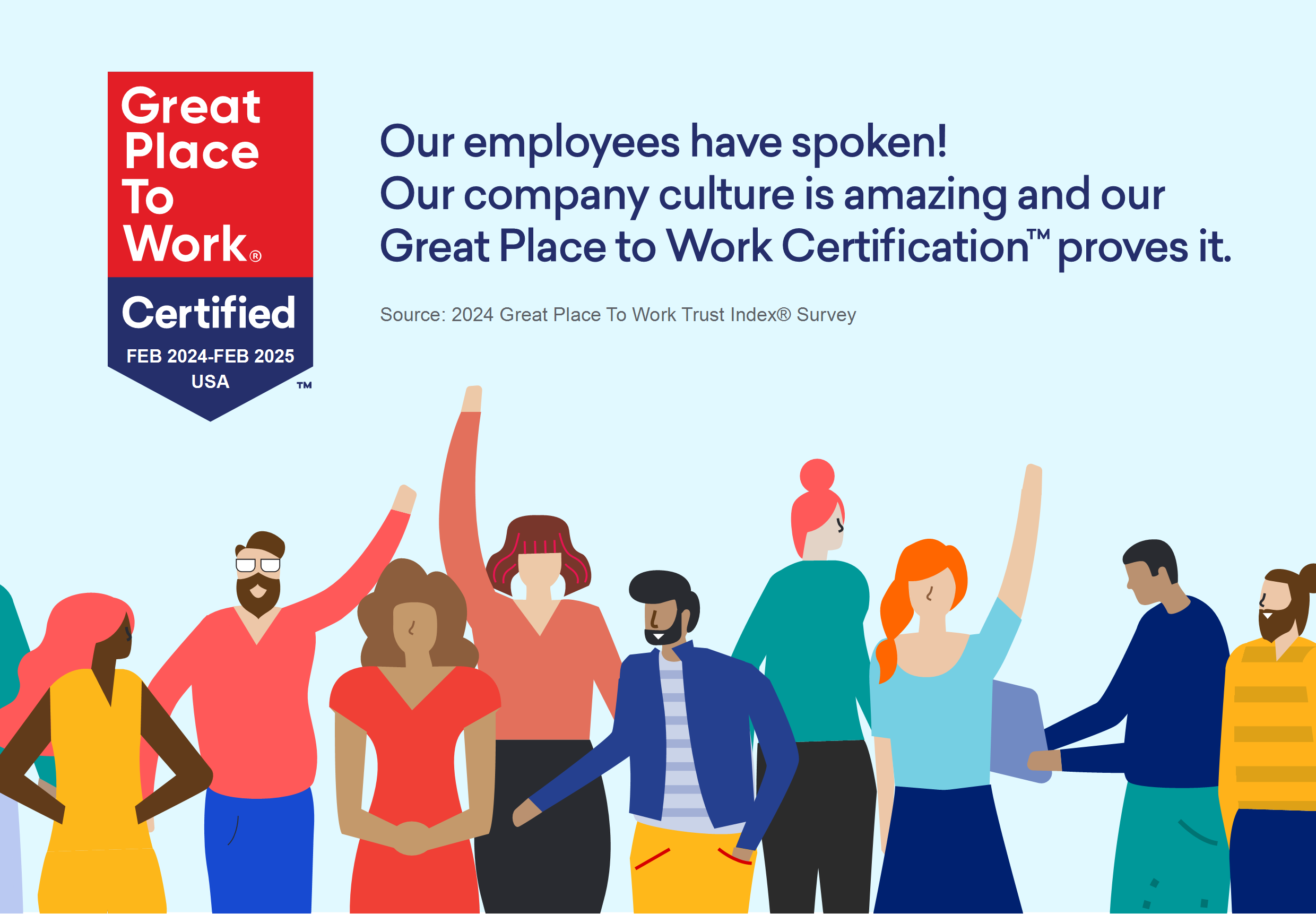

AP Health Earns 2024 Great Place To Work Certification™

Nashville, TN- AP Health is proud to be Certified™ by Great Place To Work® for the 4th year in a row. The prestigious award is based entirely on what current employees say about their experience working at AP Health, and each year we have participated, we have achieved a higher rating with this year being our best yet. This year, 92% of employees said it’s a great place To Work – 35 points higher than the average U.S. company.

Great Place To Work® is the global authority on workplace culture, employee experience, and the leadership behaviors proven to deliver market-leading revenue, employee retention and increased innovation.

“Great Place To Work Certification is a highly coveted achievement that requires consistent and intentional dedication to the overall employee experience,” says Sarah Lewis-Kulin, the Vice President of Global Recognition at Great Place To Work. She emphasizes that Certification is the sole official recognition earned by the real-time feedback of employees regarding their company culture. “By successfully earning this recognition, it is evident that AP Health stands out as one of the top companies to work for, providing a great workplace environment for its employees.”

“We are thrilled to be Great Place to Work-Certified again as we consider employee experience a top priority every day,” says Founder & CEO J. Toby Gray. “We owe our continued success to our team of dedicated employees here at AP Health and celebrate them for all they do to earn this incredible recognition.”

Throughout the year, our key initiative involved optimizing communication channels among employees and management at different levels, with the goal of ensuring that employees feel more valued and listened to. We revamped our annual review process to encourage more open dialogue and implemented additional feedback opportunities to provide employees with increased opportunities to share their perspectives. We truly believe that fostering open and honest communication is an integral factor in cultivating a Great Place to Work™.

According to Great Place To Work research, job seekers are 4.5 times more likely to find a great boss at a Certified great workplace. Additionally, employees at Certified workplaces are 93% more likely to look forward to coming to work, and are twice as likely to be paid fairly, earn a fair share of the company’s profits and have a fair chance at promotion.

WE’RE HIRING!

Looking to grow your career at a company that puts its people first? Visit our careers page at: AP Health Job Opportunities

About AP Health

AP Health is a surgeon-centric outsource provider for hospitals and surgery centers. We recruit, manage, schedule and train skilled Advanced Practice Providers (APPs), tailoring a team to meet each surgeon’s and facility’s needs. AP Health offers skilled Advanced Practice Providers an opportunity for career control, flexibility, competitive compensation, and ownership interest in the company.

About Great Place to Work Certification™

Great Place To Work® Certification™ is the most definitive “employer-of-choice” recognition that companies aspire to achieve. It is the only recognition based entirely on what employees report about their workplace experience – specifically, how consistently they experience a high-trust workplace. Great Place to Work Certification is recognized worldwide by employees and employers alike and is the global benchmark for identifying and recognizing outstanding employee experience. Every year, more than 10,000 companies across 60 countries apply to get Great Place To Work-Certified.

About Great Place To Work®

As the global authority on workplace culture, Great Place To Work® brings 30 years of groundbreaking research and data to help every place become a great place to work for all. Their proprietary platform and For All™ Model helps companies evaluate the experience of every employee, with exemplary workplaces becoming Great Place To Work Certified™ or receiving recognition on a coveted Best Workplaces™ List.

Learn more at greatplacetowork.com and follow Great Place To Work on LinkedIn, Twitter, Facebook and Instagram.

Surgical Assistants: Unsung Heroes of the OR

By Billy Williams, SA-C

With nearly three decades of experience in the operating room, I’ve witnessed firsthand what it takes to make surgeries successful. While a skilled surgeon is crucial, surgical assistants play a pivotal role in orchestrating surgeries, from preparing the operating room to closing incisions, all while maintaining effective communication among the surgical team.

Surgical assistants arrive early to help set up the room for each procedure, organize instrumentation, collaborate with nurses to prepare for cases, and coordinate with surgical techs, anesthesiologists, and other essential staff. Their deep understanding of the surgeon’s preferences for equipment and procedures allows the operation to proceed efficiently while closely monitoring the patient’s well-being.

Surgery is a collaborative effort, and while the surgeon takes the lead, it’s the surgical assistant who helps the surgeon facilitate everything. Their role is to make sure everyone is aligned and working for the best possible outcome for the patient.

The Surgeon Relationship is Essential for Success

To orchestrate a successful surgery, the surgical assistant must not only must understand the technical aspects of the operation but also cultivate a strong working relationship with the surgeon. This involves adapting to the surgeon’s style, knowing their preferences for instruments and technology, and anticipating their needs throughout the procedure. In many cases, it means having the suturing skills to close an incision as well as a surgeon could. This is important because the patient may not remember the complexities of the surgery, but they will likely see the incision for some time to come. As a result, the surgical assistant must earn the trust of the surgeon to handle those duties.

Technological Support Improves Surgical Operations

At AP Health, our company collaborates with over 1,000 surgeons across numerous surgical facilities. and Wwe take great pride in the relationships we’ve built with them. We leverage technology to support these relationships, using our LogistiSx platform to schedule surgeons’ preferred surgical assistants for more than 95% of the cases we staff. Additionally, we’ve developed a Surgeon Relationship Management program within our platform which houses a wealth of information about each surgeon, including details about procedures, preferred technology vendors and equipment and surgical techniques. Having this technological support instills confidence in our providers when working with surgeons and brings a sense of calm when interacting with other team members.

Working as a surgical assistant is a high-pressure job, but it is also incredibly rewarding. Many of the surgeries we perform involve spinal and orthopedic procedures, which enable patients to return to activities they once thought were beyond reach, free from pain. Knowing that we play a pivotal role in orchestrating these life-changing surgeries is immensely gratifying, and I wouldn’t trade it for anything in the world.

Patrick Willett, PA-C, MDSc, Drawn to Professional Independence at AP Health

After 10 years working as a Physician Assistant (PA) with different physician groups, Patrick Willet, PA-C, DMSc, decided he wanted to be in an environment that offered professional independence and growth- that is what brought him to AP Health.

Early Attraction to Healthcare Field

Growing up in Maine, Patrick knew he wanted a career in healthcare from an early age. After shadowing his family physician PA, as well as practitioners in other fields, he decided to pursue a career as a PA because of the capability to explore multiple specialties and opportunities, a characteristic incredibly unique to the APP field.

Patrick received a master’s degree from Keiser University’s PA program and took a job working for a physician group where he focused on orthopedic surgery and pain management.

“My first job gave me the opportunity to get experience in the clinical world, then slowly get my feet into the OR,” Patrick says. “I fell in love with the surgical pathway; I enjoyed the postoperative care, rounding in hospitals, and was able to transition away from more of the clinic work.”

Patrick then went to work for a large orthopedic group, serving in a pool of PAs. There, PAs rotated duties for clinic, rounding and surgery. The ratio of physicians to PAs required on-call duties every six days and weekends every six weeks.

“That doesn’t sound like a lot of weekends being on call, but it was literally 24-hour coverage Friday, Saturday and Sunday, which became overwhelming,” he explains.

His next job was working directly for an individual physician in more of a one-on-one relationship. In that role, he and the physician shared clinic, rounds and call.

“That job offered more responsibility, but the hours were long and only got longer,” Patrick recalls. “I was in a salary-based structure, and after a while, I looked at the number of hours and the late nights I was working and felt undervalued. Career growth is very important to me, and I started feeling like my growth and compensation were plateauing.  This is when I decided to go back to grad school. I felt like PAs were underrepresented in healthcare leadership positions, so I wanted to enhance my opportunity to grow.

Patrick earned a doctorate in healthcare administration and leadership from Rocky Mountain University of Health Professions in Provo, Utah Not wanting to completely leave clinical medicine, he found an opportunity at AP Health that provided the right balance. At AP Health, Patrick is our Director of Clinical Services, specifically for the Palm Beach region. In this role, he oversees the day-to-day operations in the ORs, manages the team of providers, and helps seek out new opportunities for business development and growing our market in that area.

“There are certain weeks when I’m in the OR 3-4 days because of coverage needs, but my main role is to make sure our people are positioned properly, our surgeons are happy, and our hospital customers are satisfied with the services they receive from us.”.”

Patrick Likes Professional Independence Offered by AP Health

“As part of my job, I get to talk to a lot of practitioners who are considering coming to AP Health,” Patrick says. “One of the biggest things I hear is that they are being burned out in their current positions. They’re overwhelmed from covering clinic, the OR and call. They hate coming home at night and doing two hours of EMR, making sure their notes are complete and reviewing labs. They feel like they are being asked to work harder and harder, yet they are stuck in a salaried position with often unattainable productivity bonus structures. This usually happens after about six years in the profession.”

Patrick says what they find attractive at AP Health is the transparent compensation and benefits structure that gives the practitioner more control over their work and life.

“It’s kind of an ‘eat what you kill’ approach,” he explains. “If you want to work more and make more money, we have that. If you need to dial it back for whatever reason, we can accommodate that. If you want to focus on certain specialties, we offer that, as well. The pay structures and bonus structures are very straightforward and appealing.

“I think advanced practitioners, especially those with some experience, are looking for the kind of professional independence that we offer,” Patrick says. “They want to have more say in how their life and work are structured. Having that independence avoids burnout and improves retention. I know that my mental health has improved, and my stress levels are far better than they were before, as I feel more in control of my personal and professional ambitions. I hear the same from practitioners who have joined AP Health.”

Finding Efficiencies in Operations Doesn’t Require AI

By Katelyn Nordby, AP Health Operations Manager

It seems like everyone in healthcare is looking for AI to be a silver bullet to improve operations and increase profit margins. While the power of AI will be transformative, there are opportunities to leverage technology to improve performance with tools that are available today.

At AP Health, we recruit, manage and bill advanced practice providers, primarily for hospitals’ surgical operations. That includes a lot of moving parts and players. My operations team handles provider credentialing, enrollment, coding, billing and encounter reconciliation. So, if it has to do with getting somebody into an operating room or what happens after they’re done there, that’s our wheelhouse!

The heart of our technology stack is our proprietary LogistiSx platform. LogistiSx started as a case management scheduling app but is now a full practice management solution that enables us to scale the business and increase efficiencies in virtually every area. While it doesn’t incorporate AI yet, we’ve achieved business goals by leveraging technology with a traditional focus on operational efficiency and productivity.

Streamlining Repeated Tasks in Credentialling, Onboarding and Scheduling

Finding advanced practice providers and getting them ready to work in an OR requires a lot of repeated tasks. Recruiting, credentialling, onboarding and scheduling involve multiple people and departments. We’ve moved all these tasks into our technology platform, creating a central record, along with tasks for our new employees and team members. We’ve significantly reduced emails and documents going back and forth and are able to get providers ready to work in the OR more quickly and more efficiently. And when we go to schedule a provider, only those eligible to work a particular case are shown to the schedulers. So, if a provider isn’t credentialled for a particular hospital or is on vacation, they won’t appear on the list of possibilities for the schedulers. Our efforts have improved the work life of both managers and providers, and have made us more efficient as a company.

Automating Functions to Improve Performance

We’ve taken a similar focus on process improvement when examining our coding, billing, and reconciliation functions. To get paid for the work our providers do, we need to have the correct billing codes, submit the claim and reconcile any discrepancies or errors. Having the correct billing codes is key to our getting paid – and we like getting paid. We have online access to some of our customers’ systems, so we can easily get the appropriate codes. For others, we built automated tools for code requests. Our system has a dashboard that lets us see where if information is missing and allows us to address it immediately.

We’ve taken a similar approach to our billing process. We built functionality into the system to identify billing discrepancies that may come up. We can then work to resolve any issues in our billing queue almost in real time, and before they might cause payment delays. The transparency our technology brings to the process results in our getting paid better and faster. 

Effective AI Will Require Process Focus

Our success in leveraging technology to improve operations is the result of our focus on process improvement. We continually examine how we perform our daily tasks and look for ways to improve them. And we focus on those areas where process improvements can make the biggest impact for the company. I believe the same approach will be required for AI to deliver the operational performance and margin improvement that everyone anticipates.

Matthew Blakemore, PA-C: a Wandering Path to Medicine

Originally from Arkansas, Matthew Blakemore did not start out with a goal of pursuing a career in healthcare. He explored jobs in several other industries, including over-the-road trucking, radio broadcasting, construction, and restaurant management. It was not until he was preparing to become a firefighter/EMT that he was told by his family doctor he should consider becoming a Physician Assistant (PA). The thought stuck with him when he was graduating EMT training, the economy went into a severe recession and firefighters were being laid off by the dozens.

The recovery was slow, so he began looking for ways to maintain his credentials before they would expire. After considering other options, Matthew decided it would be the best long-term solution to get his degree and become a PA. He completed his bachelor’s degree in just three years, and then enrolled in Nova Southeastern University’s PA program in Fort Myers, graduating in 2016.

“Following graduation, my first PA job was with an exceptionally busy orthopedic practice in Missouri, where, unfortunately, it was the constant case of overbooked and understaffed,” Matthew says.” I was working 10 hours a day either in the clinic or in surgery, then had to do several hours of patient notes at night before going back early the next morning.” This workload quickly caused burnout and he left the practice to return to Florida.

After taking a brief hiatus with a job outside of healthcare, Matthew took a job in a busy Bariatric & General Surgery Practice in Fort Myers. “I got to learn robotics there, which was great for my career development,” Matthew says. “However, I was supporting four surgeons, had office hours, rounds, and a full workload of inpatient wound care in a separate hospital. I usually ended up working 80-90 hours a week, so, needless to say, the same kind of burnout started to set in.” He left the practice in August of 2020 and signed on with AP Health the following month.

Matthew Finds Balance at AP Health

At AP Health, Matthew works at Holy Cross Hospital and multiple facilities in the Memorial Health System. He assists in a variety of surgical specialties, including orthopedics, bariatrics, GYN, L&D, and neurology.

“I do a little bit of everything, and I like that my job varies,” Matthew says. I may do colorectal surgery one day then bariatrics the next and some orthopedics here and there. I like doing something different every day and being able to advance my skillset.”

“The work-life balance is also much better here,” he says. “I have more time with my wife and kids and get to leave work at work. There’s no coming home after a long day and having to dictate notes for hours at night. Here, I get up in the morning, go to work, scrub in, do surgery, scrub out, and I come home to spend time with my family.

“I also like that we’re essentially paid hourly instead of a set salary,” he explains. “If I work extra, I get paid extra. In my previous roles I would be working plenty of overtime but not getting paid for it, so that fact that we get paid for what we work, makes me feel valued as an employee.

“I say this all the time: this is an absolutely fantastic job and a great place to work,” Matthew says. “It’s even better as a second or third job in your career, because you’ve had the experience of working in the office, doing rounds, being on call and all the paperwork of a typical PA job. Once you have done that, you really appreciate how you are able to work at AP Health.”

Surgical Volume Key to Margin Recovery for Hospitals By Greg Flanagan, COO

Last year was the worst financial year for hospitals since the start of the pandemic, according to Kaufman Hall, with half of all hospitals reporting negative operating margins. For many, 2023 doesn’t look much better, with cost pressures from staffing remaining high and reimbursements from payors stagnant, or even declining. As a result, hospitals are looking to increase the volume of one of its few profitable revenue sources: surgery.

Hospitals without access to capital face significant challenges and are cutting jobs, and reducing or eliminating service lines in an attempt to return to profitability. Those with access to capital are expanding surgery departments, adding new suites and outpatient surgery centers. However, increasing the physical capacity is just part of the challenge to increase surgical volume.

Hospitals need to attract physicians to their ORs.

Most surgeons have privileges at multiple hospitals. So, if their patients’ insurance is equal at more than one facility, the surgeon can assign that surgery to the hospital of his or her choice.

So, what factors determine where surgeons decide to operate?

  1. Surgeons want the best environment and equipment. Whether that means ease of access to the surgical suite, proximity to office and parking or the availability of robotics technology, surgeons want an OR that enables them to operate efficiently and effectively.
  2. Surgeons want blocked OR time. If surgeons are going to steer volume to a facility, they want the OR to be available so they can schedule and perform surgeries efficiently.
  3. Surgeons want great surgical staff. They want the patient to be positioned and prepped properly, the trays of tools they use set up the way they like them, qualified staff to assist and close and the room to be turned quickly for the next procedure. Excellent surgical staff not only make it easier for the surgeons to do their job, they increase the productivity of the OR which directly benefits the physicians business.

While any hospitals can make the capital investments to provide an efficient OR and offer surgeons the time they want to perform surgeries, the key differentiator for many facilities is the quality of the staff in the OR.

Hospitals have a difficult time recruiting and retaining top notch surgical staff, especially certified surgical assistants (CSAs). They recruit for a wide variety of positions and the universe of CSAs is very small, so unless you are focused on hiring the limited number of professionals in that area, it can be a tough task. Managing those professionals to maximize productivity without burning them out takes a concerted and ongoing effort. Surgical schedules change on a daily basis. When a hospital has in-house staff, those changes often result in either reduced productivity from underutilized staff or overworking of providers that ultimately leads to turnover.

At AP Health, we’ve built our business with a focus on providing staff to assist in a variety of surgical specialties. We have a deep bench of advanced practice providers and CSAs who we can deploy in near real time to meet the changing surgery schedules. Our model, which we’ve honed over the past eight years, has enabled us to staff ORs in dozens of hospitals and surgery centers.

We relieve the hospital of all the burdens of staffing surgeries. We take responsibility for all recruiting, credentialling, scheduling, management, and billing of surgical assistants. And, because we focus on productivity and efficiency, our hospital clients spend less. For one client, we’ve generated savings of more than $7 million since they partnered with us.

While partnering with AP Health seems like an obvious option for hospitals seeking to grow profitable surgical volume, some system-wide policies designed to reduce costs can actually prevent them from doing so. “No new contract” policies that are intended to reduce outside costs are limiting innovative approaches staffing that would increase profits.

In addition to providing hospitals with a more efficient surgical staffing solution, AP Health helps hospitals differentiate themselves from the competition by providing staff that surgeons want to work with. Given a choice of otherwise equally equal facilities, surgeons will steer their patients to the one with staff that help makes surgery run more smoothly and increases their productivity. As a result, OR staffing can play a key role in increasing surgical volume and as a result, provide a path to profitable operating margins.

In Response to significant growth in South Florida, AP Health promotes John Torres

February 6th, 2023, Fort Lauderdale, FL – AP Health: Advanced Practice Surgical Partners, a private practice comprised of Advanced Practice Providers (APPs), has continued to grow and expand its’ healthcare services in the South Florida market. AP Health provides acute care clinical services to hospitals and ambulatory surgery centers, offering service line coverage with highly trained APPs to perform Surgical First Assisting, pre-operative patient evaluation and management, and post-operative inpatient care in ICUs and surgical floors.
AP Health recently signed an agreement with Broward Health, a leading health system in Broward County (Fort Lauderdale) where it will be providing its’ services at four of their hospital facilities. To accommodate this growth, AP Health has promoted John Torres, PA-C, to Senior Vice President of our South Florida Market. Torres has been with the company for eight year and has a proven track record of managing and growing a team in the Fort Lauderdale market.
“I am genuinely thrilled at the exponential growth we have seen in the South Florida area and cannot wait to see where it goes. John Torres knows this industry inside and out and is the perfect person to lead our South Florida market” says Founder & CEO, J. Toby Gray.
Also joining the team is Patrick Willet, PA-C, who will be working in our Palm Beach market under Torres as our Director of Clinical Services, Palm Beach. Willet will focus on growing the Palm Beach Country market for AP Health. Willet has 10+ years’ experience as an orthopedic Physician Assistant.

AP Health Earns Great Place to Work Certification™ for Third Year in a Row

Nashville, TN — AP Health is proud to be Certified™ by Great Place to Work® for the 3rd year in a row. The prestigious award is based entirely on what current employees say about their experience working at AP Health. This year, 86% of employees said it’s a great place to work – 29 points higher than the average U.S. company. 

Great Place to Work® is the global authority on workplace culture, employee experience, and the leadership behaviors proven to deliver market-leading revenue, employee retention and increased innovation. 

“Great Place to Work Certification™ isn’t something that comes easily – it takes ongoing dedication to the employee experience,” said Sarah Lewis-Kulin, vice president of global recognition at Great Place to Work. “It’s the only official recognition determined by employees’ real-time reports of their company culture. Earning this designation means that AP Health is one of the best companies to work for in the country.” 

Founder & CEO, J. Toby Gray says, “We are thrilled to be Great Place to Work-Certified™.   Employee culture is a top priority for us, and we value what our employees think about the company. We owe our continued success to our team of dedicated employees at AP Health and celebrate them for all they do to earn this recognition.” 

“This is our third year as a company participating in the Great Place to Work® program and the feedback we gain each year is incredibly valuable,” says COO Greg Flanagan. “We actioned categories that had room for improvement and the results of this year show that. We continue to put employee satisfaction at the forefront of AP Health and our employees think so too.” 

According to Great Place to Work research, job seekers are 4.5 times more likely to find a great boss at a Certified great workplace. Additionally, employees at Certified workplaces are 93% more likely to look forward to coming to work, and are twice as likely to be paid fairly, earn a fair share of the company’s profits and have a fair chance at promotion. 

WE’RE HIRING! 

Looking to grow your career at a company that puts its people first? Visit our LinkedIn Career Page for more information. 

About Great Place to Work Certification™ 

Great Place to Work® Certification™ is the most definitive “employer-of-choice” recognition that companies aspire to achieve. It is the only recognition based entirely on what employees report about their workplace experience – specifically, how consistently they experience a high-trust workplace. Great Place to Work Certification is recognized worldwide by employees and employers alike and is the global benchmark for identifying and recognizing outstanding employee experience. Every year, more than 10,000 companies across 60 countries apply to get Great Place to Work-Certified.