

Category: Uncategorized

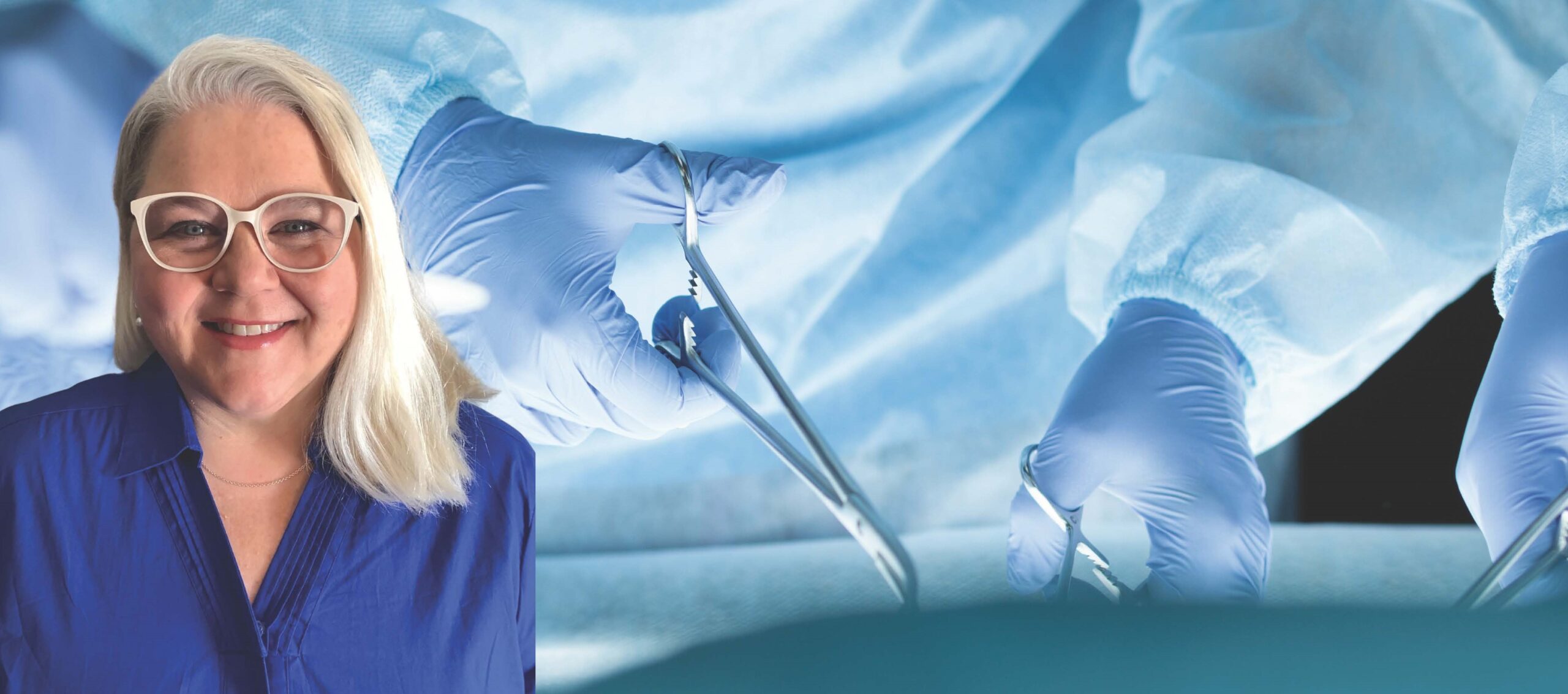
It’s All About the Patient: A Practitioner Profile on Reese Williams, DNP

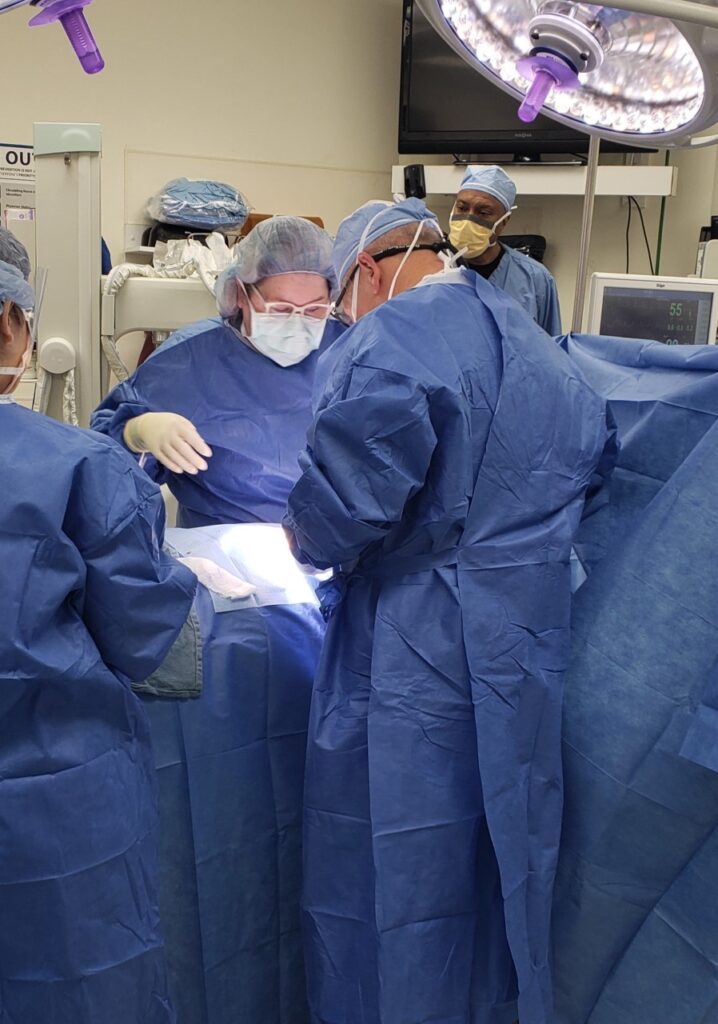
“To me, it’s not about the operation, it’s about the patient,” says Reese Williams, DNP. “So, I pride myself on knowing more, going in ahead of time, reviewing their cardiac cath films and their preoperative labs, knowing their past medical history and meeting the patient. This allows me to better support the cardiothoracic surgeons, administration and nursing staff and ultimately provide higher quality care.”

That perspective serves Reese well in her role as Director of Cardiothoracic Surgery and Inpatient Care at AP Health. She leads a team of advanced practitioners that staff the cardiothoracic surgery service line at Bethesda Hospital, part of Baptist Health South Florida.

“We provide full-time, 24/7 coverage for cardiothoracic care,” Reese explains. “We’re not just in the OR – we provide full pre-op, intraoperative and postoperative care. While the service line has been in existence for more than a decade, our role is to support the program as advanced practice providers while it continues to grow.”

Building a Cardiothoracic Service Line

Reese is no stranger to building a cardiothoracic service line. Prior to AP Health, she followed a mentor to Commonwealth Health, to help rebuild its cardiothoracic program, boost quality, and improve patient outcomes. While there she worked with all areas of the hospital and its corporate parent to put systems and protocols in place to improve care.

“I worked with all of administration, nurse education, corporate, and consultants; I was even asked to serve on the bylaws committee,” Reese says. “I built policies, procedures, education and order sets into a model that provided more oversight and continuity of care from initial consultation through discharge. Our corporate parent saw the improvements we made and wanted to implement our model across all their hospitals.

“One of the things I’m most proud of from that experience is that our program became a three-star program for medications as designated by the Society of Thoracic Surgeons (STS),” Reese says. “It was the first time the program had achieved that status and it was in an area where I was directly responsible.”

Forging her own Path in Cardiothoracic Surgery

Reese did not follow a traditional path to the OR. While getting her Nurse Practitioner degree at Vanderbilt, Reese decided that she wanted to forego the more common career choice of becoming a nurse anesthetist to assist in cardiothoracic surgery.

“I had started out in EMS while in nursing school and moved into critical care,” Reese says. “When I went to graduate school at Vanderbilt, I was fortunate to have two cardiac surgeons as mentors. After shadowing them, I knew I wanted to be on their side of the drape in surgeries. I didn’t realize at the time that there were not a lot of NPs in cardiothoracic surgery, it was a role that was typically filled by PAs. I then found a great program at University of California, Davis. I was the first NP in that role, so I spent the first two weeks writing every SOP for my job so I could get credentialed. It was my first experience with the administrative side of medicine and while it was grueling, I know it was beneficial for me over the long term.”

“What I love about cardiothoracic surgery is that it is consistently inconsistent,” Reese says. “We can go through our algorithms and protocols, but it still comes down to knowing the patient and everything about them, head to toe. You could go in for what is planned as a 3-4 hour case and it ends up being a 10-hour operation. It’s gratifying to be in the operating room and know that everyone is there until the patient gets out of the room, until the patient is doing well. And that’s what it’s all about.”

Reese says the idea of making a bigger impact through having oversight and coverage of a service line was what attracted her to AP Health.

“What AP Health offers hospital systems and programs is staffing; but as a whole, it is quality and outcomes,” she explains. “It is because the providers within AP Health are experts in their fields that we are able to provide training and mentorship for NPs and PAs entering into challenging specialties such as cardiothoracic surgery. Knowing the working parts and the requirements of the Society of Thoracic Surgeons and seeing the patients pre-op, inter-op and post-op provides continuity of care, and that improves quality.”

Jupiter Medical Center named “Best Heart Center” in Palm Beach County

JUPITER, Fla (April 21, 2021) – Jupiter Medical Center’s Robson Heart & Vascular Institute has been awarded “Best Heart Center” in Palm Beach County by The Best of Palm Beach County Awards 2021. “With its reputation for clinical excellence, safety, and personalized care it has become one of the leading cardiac care facilities in the whole state of Florida.”

When Jupiter Medical Center (JMC) and its Cardiothoracic surgeon, Dr. Arthur Katz, started a new Cardiothoracic program just last year in April 2020, they partnered with AP Health to meet their surgical staffing needs. AP Health provides JMC with highly skilled Advanced Practice Providers that can meet the demand of this new program.

Dr. Katz is one of the most respected and well-known Cardiothoracic surgeons in the region and spearheads the day-to-day operations of the program as well as the composition of AP Health’s partnership. Directing AP Health’s Jupiter Medical Center team of Cardiothoracic APPs is Daniel Teller, a Certified Physician Assistant with over three decades of experience in helping build Cardiothoracic programs.

Dan and AP Health have played a significant role alongside Dr. Katz in the expansion of this program. With Dan’s unique skill set and wealth of knowledge, he was the perfect match to oversee the patients’ care under Dr. Katz’s supervision. He and the AP team are not only responsible for staffing the operating rooms, pre and postoperative care, and other non-surgical duties; Dan also leads the ongoing education for the Cardiothoracic team and trains other surgical staff to make sure everybody is on the same page about what heart surgery demands.

“The hospital’s rapidly growing Cardiac Care Program continues to add technological advancements, from minimally invasive heart therapies to full cardiac procedures, and the equipment and technologies developed to employ them.” AP Health looks forward to continuing being apart in the development of Palm Beach County’s Best Heart Center.

Destined From the Beginning: A Practitioner Profile on Dusty Lynn, SA-C

Dusty Lynn, SA-C Knew the OR was for her at age 12

“When I was 12, I had a pretty significant surgery, and I knew from that point on that I wanted to work in the operating room,” Dusty says. “I found everything about it fascinating. After high school, I went to school to become a scrub tech and soon after knew I wanted to be a surgical assistant.”

With 28 years in the OR – 20 of them as a certified surgical assistant — Dusty has worked in a variety of surgical specialties. However, she has focused on assisting in neurosurgeries for the past six years since joining AP Health.

“I started out in vascular, but I’ve done basically everything – general surgery, orthopedics, plastics and OB/GYN,” she says. “I think I’ve touched on every specialty in my career.

“I love neurosurgery because it is challenging and it has the potential to make such a huge difference in the life of the patient,” Dusty explains. “When people have spinal surgery, they are almost always in a lot of pain. It’s a great feeling to see someone who has a herniated disc repaired and to know that in helping eliminate their pain, you are helping to improve their quality of life.”

Dusty specializes in neck, back and lateral surgeries, including fusions, cervical surgeries and laminectomies. She also assists in robotics surgeries two or three times per week. On any given day, she’ll do two to six surgeries, each of which can last anywhere from 30 minutes to four hours.

“With neurosurgery, each case is different and you’re always learning,” she says. “Multi-level fusions and tumor removals are the most challenging, which I really enjoy. I certainly don’t get bored.”

Dusty Prefers to be Part of a High Performance Team

Dusty has worked as an in-house surgical assistant for physician groups and hospitals, but she prefers being part of the high-performance team at AP Health.

“I’ve been in situations where I’ve been part of a small team of surgical assistants on staff, where it can be routine” Dusty explains. “I like working with an outsource solution company such as AP Health and building relationships with a variety of surgeons.”

Dusty also appreciates that AP offers the latest in technology, such as the LogistiSx app, which makes scheduling and documentation more efficient.

“It’s a great app. It’s very fast and so easy,” she says. “We put in our time and what procedures or floor work we did that day. Then we send it in through the app. It saves me a lot of time on documentation.

“I really like working at AP Health,” Dusty continues. “I’m part of a team and I’m able to focus on the parts of the job that I enjoy.  When COVID-19 hit and elective surgeries came to a halt, AP Health was able to still make sure we got paid. I feel very fortunate.  We are a fantastic group and we do our jobs well. I like being part of that.”

AP Health Earns Designation as a Great Place to Work-Certified™ Company in 2021!


Fort Lauderdale, FL – January 18th, 2021 – AP Health, Advanced Practice Surgical Partners, announced that it is Great Place to Work-Certified™. Certification is a significant achievement. Using validated employee feedback gathered with Great Place to Work’s rigorous, data-driven methodology, Certification confirms over 83% of employees have a consistently positive experience at AP Health. Great Place to Work is the global authority on workplace culture, employee experience and the leadership behaviors proven to deliver market-leading revenue and increased innovation.

“We are thrilled to be Great Place to Work-Certified™,” says J. Toby Gray, CEO at AP Health. “We make employee experience a priority every day and it means a lot that our employees have reported a consistently positive experience with their coworkers, their leaders, and with their jobs. This is important to us because we know that when our employees have a high-trust experience every day they are more productive, drive better business results and make a difference to our customers.”

“We congratulate AP Health on their Certification,” said Sarah Lewis-Kulin, Vice President of Best Workplace List Research at Great Place to Work. “Organizations that earn their employees’ trust create great workplace cultures that deliver outstanding business results.”

Great Place to Work® is the global authority on workplace culture. Since 1992, they have surveyed more than 100 million employees around the world and used those deep insights to define what makes a great workplace: trust. Great Place to Work helps organizations quantify their culture and produce better business results by creating a high-trust work experience for all employees. Emprising®, their culture management platform, empowers leaders with the surveys, real-time reporting, and insights they need to make data-driven people decisions. Their unparalleled benchmark data is used to recognize Great Place to Work-Certified™ companies and the Best Workplaces™ in the US and more than 60 countries, including the 100 Best Companies to Work For® and World’s Best list published annually in Fortune. Everything they do is driven by the mission to build a better world by helping every organization become a Great Place to Work For All™.

For more information on AP Health, check out their Great Place to Work® profile at:

Working at AP Health | Great Place to Work®

Productivity Drives Value in the Operating Room

By Billy Williams, SA-C

Vice President of Operations

Productivity is not just a buzzword for AP Health, it is our value proposition. By consistently delivering a highly skilled and efficient team of surgical assistants and physician assistants, we increase the productivity of surgeons while lowering labor costs and decreasing operating room times.

I manage a team of 15 advanced practitioners who serve surgeons at St. Thomas Health Hospitals and United Surgical Partners facilities. I also work as a surgical assistant, which I’ve done for more than 25 years. I know, both as a practitioner and a manager, the impact a productive operating room has on surgeon efficiency, financial performance, and patient outcomes.

I tell my team of practitioners that we help set the tone in the Operating Room: that means getting in operating room early, hanging x-rays for the surgeon, setting trays of instrumentation, positioning the patient, and getting the patient prepped and draped for the surgeon to come in.

We help create a consistent workflow in the operating room, by having a can-do attitude- to accomplish whatever needs to be done. Having a highly trained, experienced, and dedicated surgical assistant makes the surgeon’s job easier, because they can focus on performing the surgery.  Our team at AP Health specializes in total joint replacements, sports medicine, and spine surgery.  Most of these procedures are done on an outpatient basis.

We optimize productivity in real time, which reduces our customers’ labor costs. We have shown that AP Health practitioners are often twice as productive as that of alternative solutions, especially hospitals with in-house staff. We take a lot of pride in what we do and in strengthening the relationships with our customers’ surgeons

I’ve been working with some of the same surgeons since 2003 and enjoy both the management and practitioner sides of my job. I get to work with a great team that makes a difference in the OR for our customers, the surgeons and the patients in our care. Our productivity and efficiency drive better outcomes for the surgeons and most importantly the patients.

Alejandro Rafuls, ARNP: Assisting in Robotic Surgeries for 15 Years

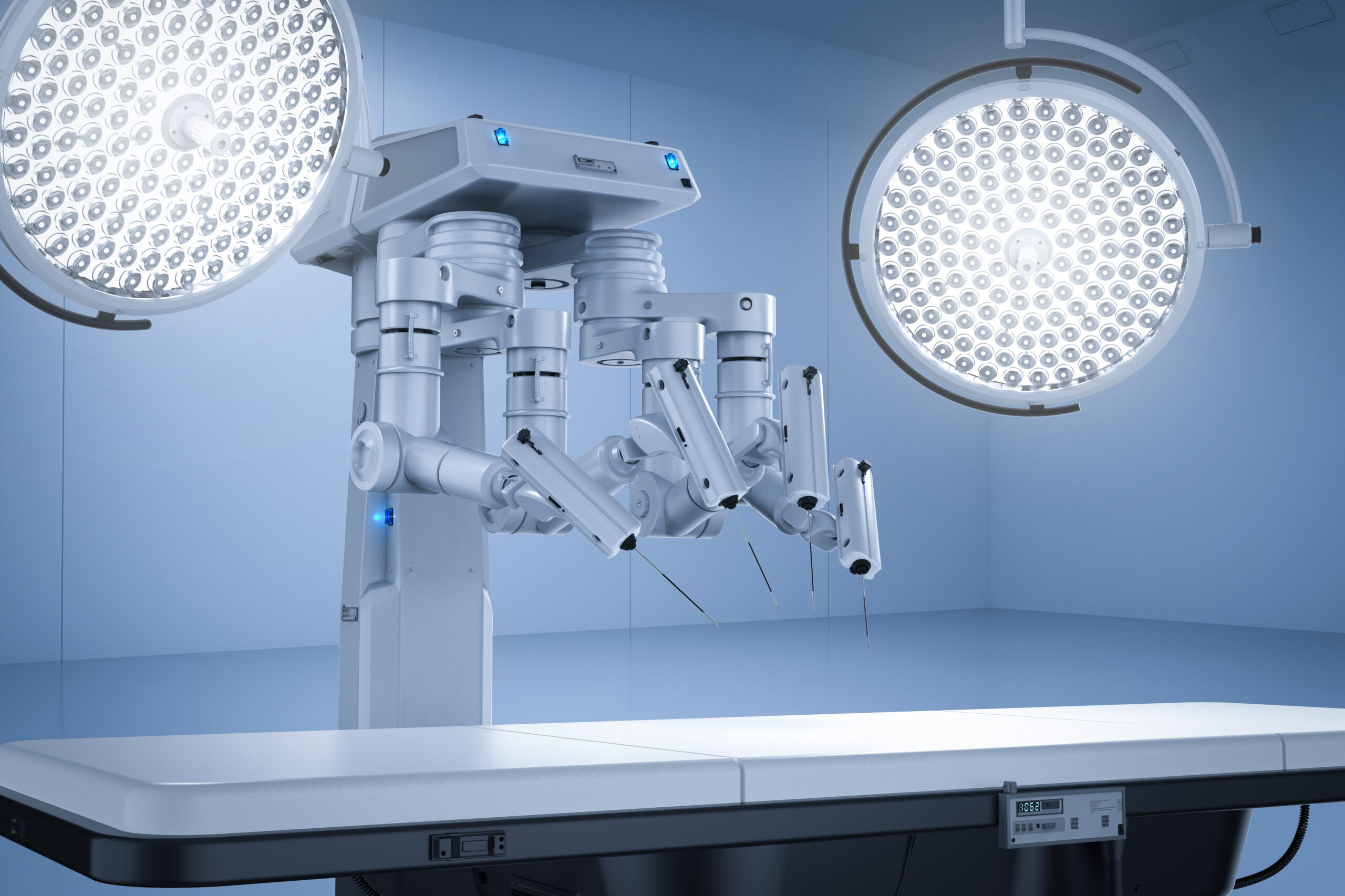
Nurse practitioner Alejandro Rafuls is one of the most experienced surgical assistants in robotic surgery. Alejandro was already well into his career at Memorial Health System when the da Vinci surgical system was introduced there 15 years ago. The da Vinci system is advanced set of instruments to perform robotic-assisted minimally invasive surgery.

Before Alejandro began working with the Memorial Healthcare System, he was a trained general surgeon in his home country of Cuba. He graduated in 1990, and practiced as a general surgeon in Cuba and South Africa for 10 years. In 2000, Alejandro defected from the medical mission in South Africa where he was working and made his way to the United States with the hope of starting a new life with better opportunities.

“I decided to come to the U.S. because I wanted escape communism and the dictatorship in Cuba,” he says. “I knew I would have to reconstruct my professional life, possibly starting from zero. My expectations were correct, but I found that the U.S. has many avenues for professional advancement when you are willing to do your part — learn the language, focus your studies in the field of your choice and spend endless hours working toward your goals.” 

When the da Vinci surgical system was initially introduced at Memorial, Alejandro was fascinated by the benefits of using robots from the outset.

“The idea of being able to do procedures and not putting a hand directly inside the patient or holding a camera or holding an instrument felt like science fiction at the time,” Alejandro says. “Plus, there were the obvious patient benefits of less trauma to the tissues, smaller incisions, less pain and faster recoveries.”

On-the-job Training

“I had the advantage of being right there in 2005 to get on-the-job training,” he says of the then-new technology.

Like all of AP Health’s robotics practitioners, Alejandro received online instruction and attended training at Intuitive, the maker of the da Vinci surgical systems lab, to learn to dock the robot, trade out all instruments and keep the surgical flow going smoothly.

His experience in laparoscopic surgery, a technique that also once revolutionized modern surgical practices, smoothed the way into the new technology. “Robotics is like a variation of laparoscopic surgery, so it was not so difficult to enter the world of robotics,” he explains.

With robotics, however, the camera is no longer hand-held, and the image is much more powerful, he says. “The optics during the procedure are amazing; it’s like seeing inside the body in high definition.”

With his vast experience in traditional and robotic surgeries, Alejandro is one of the most sought-after surgical assistants in the Memorial Health System. About 90 percent of the surgery assists he performs weekly are robotic surgeries and that is increasing over time.

In the OR

Though Alejandro assists surgeons during surgery, his responsibilities begin before they ever enter the operating room by performing pre-surgery exams and generally prepping the patient for the procedure.

Once they enter the OR, robotic surgery makes the role of the surgical assistant more important and puts more responsibility on their shoulders. That’s because the assistant is in the surgical field, next to the patient, monitoring both the patient and the machine for the entire procedure.

“There are a lot of things you have to monitor to make sure things go according to plan,” Alejandro says. “If there is an issue with either the patient or the equipment, you have to let the surgeon know and take steps to address it.”

Commitment to Learning

Alejandro’ career has been based on a pursuit of lifelong learning. While he was a surgeon in Cuba, he first served as a medical assistant when he first came to the United States. He built on that career by getting licensed as a surgical assistant before returning to school and completing both nursing and nurse practitioner degrees from Florida International University.

Prior to joining AP Health, Alejandro was on staff of Memorial West when, about five years ago, hospital leadership outsourced advanced practice providers to AP Health. Alejandro and most of the other surgical assistants accepted AP Health’s invitation to join the company, and he’s been here since.

“My career path has always been in surgery, and AP Health has allowed me to reach new heights and advance my knowledge in the field and become more focused in robotic surgery,” he says.

Alejandro likes the variety of surgeries he’s able to assist with as an employee of AP Health. He has privileges at four Memorial hospitals and primarily assists in gynecology, thoracic and general surgeries.

“One of the things that keeps this job interesting is you don’t work in only one specialty,” he says. “I can learn something new every day — not just from the doctors but the nurses and scrub techs, too. That’s why I enjoy what I do.”

PA Job Satisfaction Rooted in Passion for Caring: A Practitioner Profile on Matt Williams, PA-C

Like many people, Matt Williams had a childhood dream of becoming a firefighter. Unlike many, he did something about it. At age 16, he joined his hometown volunteer fire department in Binghamton, N.Y. But when the department’s understaffed medical first response team asked Matt to join, he soon realized his future was in medicine.   

“From the first call I went on, the feeling of serving the people in our community was amazing,” he says. “I found the impact we had on people rewarding and stuck with the medical team.”  

Matt eventually would get his EMT certification, work on an ambulance, and become a flight paramedic – as his career path led him to clinical medicine.  

“I moved to Florida and got a job as a paramedic at Broward Health North hospital,” he says. “As I learned about the different professions in the hospital, I saw the level of care physician assistants were able to provide and decided that was the career I wanted to pursue.” 

While attending Nova Southeastern University, Matt attended a talk by AP Health CEO and founder Toby Gray, who discussed the company and the variety of specialties available to its PAs. After graduating in 2019, Matt joined the company. 

Diversity of Duties Drives Job Satisfaction 

“I wasn’t exactly sure what type of surgery I wanted to do, and AP Health gives me the opportunity to explore and get trained in multiple types of surgeries,” he says. “I get to continue to learn from a variety of doctors and about different disciplines. 

“I can do a C-section and help deliver a baby and then work in orthopedic surgery to help fix somebody’s shoulder,” he continues. “It’s completely different every day, and every week is always changing.” 

Such variety is perfect for a new PA graduate trying to decide where he wants to specialize. Or if he wants to specialize. 

Matt works primarily at two hospitals – Holy Cross Health and Memorial Regional Hospital – and two surgical centers, assisting with orthopedic, vascular and general surgery. He likes the variety and the ability to learn different doctors’ preferences for how they like to work. 

“It’s a challenge, but it’s also good to see the way everybody does things,” Matt says. “It doesn’t get routine because you are always learning.” 

On-the-job Benefits 

Besides variety, Matt also appreciates the control and efficiencies AP Health provides its PAs. If he prefers particular surgeons or surgeries, schedulers accommodate him.  

He works two days a week with Dr. Erol Yoldas, one of the top orthopedic sports medicine doctors in Florida, who has become a mentor.  

Matt’s clinical skills are beneficial to his patients, Dr. Yoldas says. “Having Matt on the surgical staff enables me to efficiently and effectively help our patients get back to the level of function that they expect,” he says. “He is a valuable member of our team.” 

AP Health’s proprietary mobile application, LogistiSx 2.0, streamlines Matt’s job by capturing and reporting all case information and keeping his schedule – all without mountains of paperwork. “It’s one easy resource to get all the information you need,” he says. “It saves me time reporting and allows me to spend more time with patients.” 

But the best part of being a PA is what drew him to the medical profession as a teenager: helping people through a difficult time. 

“It might be a patient’s first surgery, and, even if it’s not, it’s a scary time,” he says. “To be someone who is calm and reassuring and see the positive impact you have is extremely rewarding. Once you experience what it’s like to help someone like that, it’s all you want to do.” 

Flexibility Key to Surgical Operations, Practitioner Retention

By Sarah Calvey PA-C, MMS

Surgical programs typically place a high priority on stability of practitioner staff, especially those with highly specialized procedures. This often leads facilities to hire full-time practitioners to support their programs. However, this reliance on in-house staff often leads to practitioner burnout and high turnover, resulting in less stability of staffing operations. I know this because I have seen it firsthand.

In September 2018, the cardiothoracic surgery team at Holy Cross Health in Ft. Lauderdale, Fla., experienced a staffing challenge. Its two full-time Physician Assistants (PAs) were leaving at the same time and turnover had been an issue with these positions for a while – the demanding schedule of being on call every other night and every other weekend often led to employee exhaustion.

Holy Cross Health called on AP Health since we were already supporting other areas of the hospital. With our deep bench of PAs and our focus on recruiting, we were able to build a team of five cardiac practitioners. Our PAs know the surgeons’ preferences both in the operating room and in the ICU. We also have good flexibility and variety in our work life. These factors have eliminated turnover of surgery staff, which has meant more stability and continuity for the cardiac surgeons.

Pandemic Intensifies Need for Flexibility in Staffing Operations

While the importance of being nimble in surgical staffing has been increasing for years, COVID-19 has intensified that need. At Holy Cross, like many hospitals across the country, non-essential surgeries were stopped in April, and ICUs were converted into COVID ICUs. For many hospitals, that meant furloughing full-time staff in different departments while also ramping up staffing for treating COVID-19 patients.

When the first wave of COVID-19 patients began entering its facility, Holy Cross

administration approached us about helping in the ICU. Because our advanced practice providers were already trained in critical care, we were able to move our staff from other areas of the hospital. In doing so we were able to support the hospital during nights and weekends in the ICU for about two months until COVID patient volumes declined.

Had AP Health not provided advanced practice providers to assist in the care of COVID-19 patients, Holy Cross would have needed to bring in many more MDs at much higher  costs. We were able to provide the hospital with the critical care staff it needed, while also saving them a significant amount of money.

As COVID progressed throughout summer, we continued to adapt to the changing needs of the hospital and its patient volumes. Three of us have helped the infectious disease doctors with a census of 50-60 COVID patients, while others moved to support other areas of the hospital as elective surgeries and other normal duties returned.

As a 15-year PA, I love the variety and flexibility that AP Health provides. I can continue to learn and advance my career while maintaining a good quality of life. I’ve been able to branch out from orthopedics into general surgery, labor and delivery with C-sections and now, cardiac surgery. And, with two young children, I also have the ability to flex my schedule easily because we have so much coverage. And I can do so with the peace of mind of knowing that we’re providing the hospital with the surgical support to provide the best possible care for their patients.

Sarah Calvey is director of Clinical Operations at AP Health.

Outsourcing Clinical Staffing in the Operating Room Increases Hospital Efficiency During the COVID-19 Crisis and Beyond.

It’s no secret the COVID-19 crisis has an effect on nearly every facet of life, with one of the hardest-hit areas being the hospital industry. The AHA estimatesa total four-month financial impact of $202.6 billion in losses for America’s hospitals and health systems, or an average of $50.7 billion per month”. Even prior to COVID-19, hospitals were having difficulties meeting growing financial demands. 

COVID-19 cases are on the rise in several states where the emergency ban had been slightly lifted, including in Florida and Tennessee. Last week, Tennessee reported the largest one-day jump, with 1400 newly positive tested patients.

What can help hospitals alleviate devastating financial losses? 

One practice many hospitals are increasingly implementing is the use of outsourced high-quality Advanced Practice Providers (APP’s), provided through privately held healthcare service companies such as AP Health. 

Throughout the pandemic, hospitals outsourcing clinical staffing experienced a level of financial flexibility not felt by hospitals employing full-time surgical staff. 

Major Hospital Savings

The financial losses hospitals are experiencing as a result of the pandemic are palpable, with the full effects remaining to be seen. One concern remains absolute — hospitals are in need of money-saving solutions through practices like outsourced surgical staffing programs. 

According to J. Toby Gray, AP Health’s Chief Executive Officer, the “model for outsourced, team-based surgical care reduces our hospital partners’ costs and increases their flexibility. They can quickly scale their surgical and on-floor teams with the Advanced Practice Providers that AP Health recruits and manages.”

Without the need for recruiting and full-time salaries of credentialed staff, hospitals can save exponentially. The ripple effects of those savings allow hospitals to respond timely to the spikes in COVID-19 cases that have occurred in recent weeks, as well as the safe re-implementation of elective surgeries. 

Flexibility

Hospitals who outsource surgical staff for perioperative care have much more flexibility in terms of financial resources, staffing possibilities, appropriately staffed surgical teams, and more.

Since the ban on non-urgent surgeries implemented in April, hospitals have lost about $161.4 billion. As state governors and hospitals work to re-instate elective surgeries and non-COVID-19 care, adaptability in resources is highly favorable. 

With outsourced perioperative care, hospitals can increase their capacity for elective surgeries and COVID-19 patient care by allocating staff appropriately, without the pressure to furlough any full-time staff.

Streamlined scheduling and documentation

A key component of the patient care continuum is having a secure, streamlined way to report pertinent patient information on-site at hospitals. The communication between outsourced perioperative care professionals, surgeons, and hospital staff is crucial to a successful outsourced surgical assistant staffing program.

One such way AP Health enhances perioperative care is through the recently launched web and mobile application Logistix2.0. The app integrates with hospital scheduling systems where an AP Health practitioner is working surgical cases, allowing for a number of benefits. 

The launch of Logistix2.0 eliminates the tediousness and errors caused by paper-based records. It provides all parties with a centralized document-of-record which can be updated in real-time. The document-of-record is used for practitioner scheduling, hospital and insurance billing, case coding, and more. Additionally, AP Health practitioners can easily record everything from time-in/out to surgery notes and insurance information, allowing them more time to focus on what matters: quality patient care. 

Patient Care Satisfaction 

From pre, intra, to postoperative, patient care satisfaction is of the utmost concern when it comes to perioperative services. The patient care continuum functions best with a surgical team who understands the in’s and out’s of their respective tasks and how each of their roles play into patient satisfaction.

Outsourcing perioperative services through providers like AP Health ensures the patient will be receiving care from board-certified and credentialed, skilled professionals dedicated to their clinical practice.

Because AP Health professionals are assigned to a particular surgeon’s team, they get to know the surgeon and the patient’s needs on a personal level. Everything from H&P’s to transitional care is treated with the same level of attention, increasing the likelihood of positive outcomes for both the team and the patient.

Efficiency for the Present and the Future

As COVID-19 cases continue to surge in the U.S., so does the uncertainty of what the future holds for the healthcare and hospital system.

The need for hospitals to increase their efficiency in budget-friendly ways remains, and the outsourcing of perioperative care through skilled surgical staffing programs is a viable solution. 

Perioperative healthcare companies like AP Health assist hospitals by reducing recruiting and in-house staffing costs as well as administrative responsibilities, provide surgeons with much-needed resources and skilled team members, and assure satisfactory patient outcomes.